SPFA's PCP Certification, Explained: What It Actually Covers
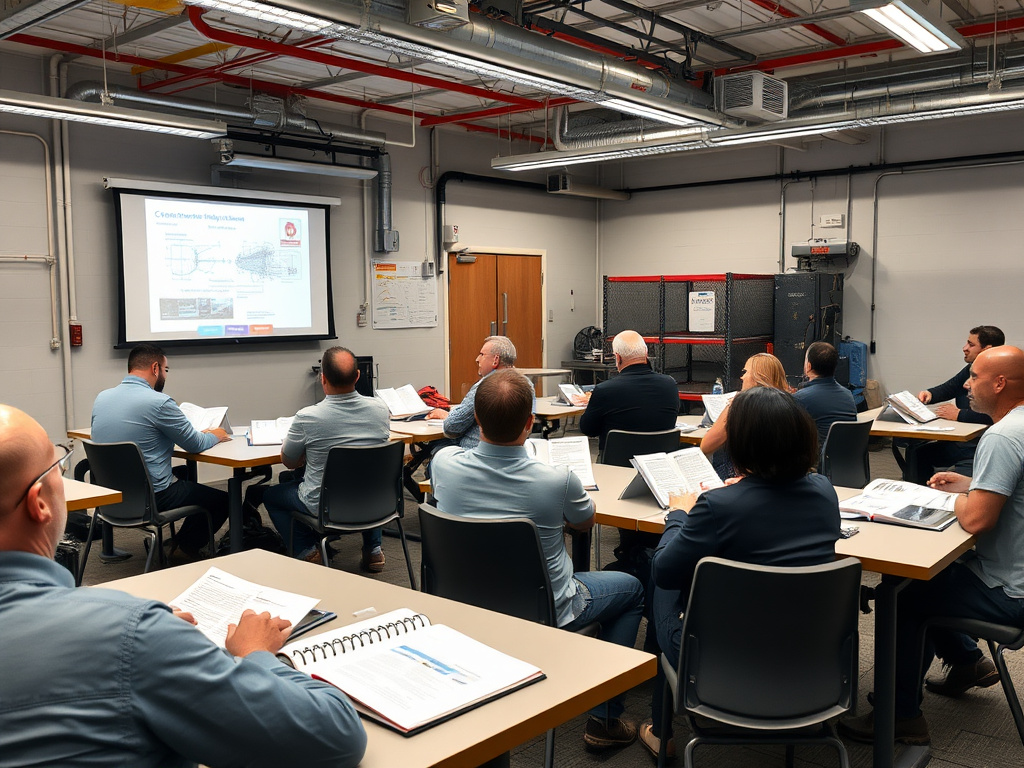
"Certified" gets used loosely in the spray foam industry, so it's worth being precise about what SPFA's Professional Certification+ (PCP) program actually is — and what it isn't.
What SPFA is
The Spray Polyurethane Foam Alliance (SPFA) is the primary U.S. trade association for the spray foam industry. It runs both individual certification programs (PCP) and separate company-level accreditation programs — two distinct tracks that shouldn't be conflated.
What PCP actually is
PCP is an individual, role-based certification program, and it's accredited to the ISO/IEC 17024 standard — an internationally recognized accreditation framework for personnel certification bodies. That accreditation detail matters: it means the program itself has been evaluated against a formal standard for how certification programs should be run, not just self-declared by SPFA.
Individual tracks confirmed within PCP include an Assistant level and an Installer level — with candidates able to test directly into Installer via a combined exam, without necessarily starting at Assistant first. There are also separate certifications for Supplier Representatives and for Field Examiners (the people who evaluate candidates for Master Installer status). SPFA references a broader multi-level structure for individual insulation certification beyond what's outlined here; for the complete, current tier list and exact requirements, go directly to SPFA's own PCP program pages before making a specific claim to a customer or employee about what a given tier requires.
What PCP is not
- It is not a state contractor license. State licensing for insulation and general contracting work is handled separately, varies significantly by state, and some states have no distinct insulation license category at all
- It is not the same as SPFA's company-level accreditation, which evaluates a business rather than an individual technician
- It does not certify a specific chemical product — it certifies an individual's demonstrated competency in application practice, generally
Why the distinction matters in practice
Marketing language matters here. Saying a technician "holds SPFA PCP Installer certification" is a specific, checkable claim. Saying a company is "licensed and certified" without specifying what license (state-issued, and which state) and what certification (which PCP tier, held by whom) blurs together things that are actually separate and independently verifiable. Customers, GCs evaluating subcontractors, and job applicants comparing employers all benefit from that specificity — and it protects the business making the claim from overstating what it actually holds.
How this fits into hiring and crew development
For contractors building out a training program, PCP gives a structured, external validation point to build toward on top of the on-the-job mentoring most techs already go through. It's a reasonable milestone in a defined onboarding or crew-development plan — not a replacement for the hands-on training itself.
Frequently asked questions
No. PCP is an individual, ISO/IEC 17024-accredited certification of application competency. State contractor or specialty-trade licensing is a completely separate process that varies by state.
PCP certifies individual technicians. SPFA's company accreditation programs evaluate a business as a whole. They're related but distinct tracks run by the same trade association.
Not necessarily — candidates can test directly into the Installer level through a combined Assistant+Installer exam pathway, without a mandatory prior Assistant certification step. Confirm current requirements directly with SPFA before planning a specific candidate's path.
Running a business this guide touches on?
Get your company listed in the SprayFoamHQ directory so contractors and builders researching this topic can find you.