SPF Jobsite Safety and Respirator Compliance, Explained Plainly
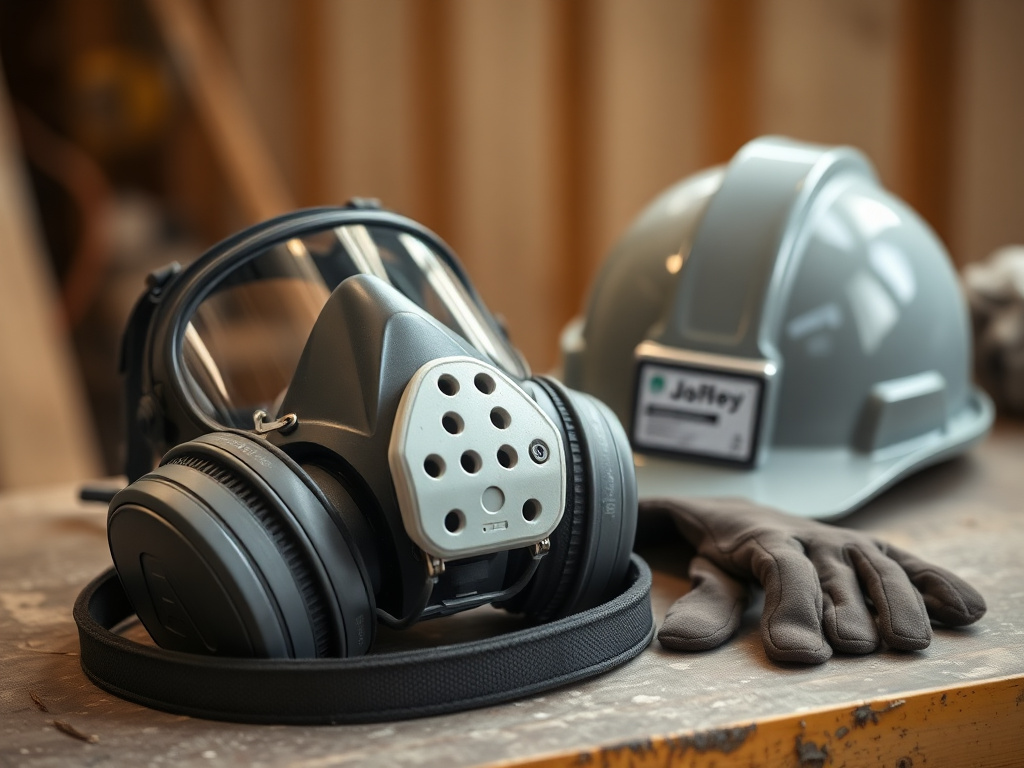
This is a plain-language walkthrough of the safety compliance obligations that come up most often on a spray foam jobsite. It's not a substitute for reading OSHA's actual standard or your state plan's equivalent — treat this as orientation, and confirm specifics against the regulation and your own written respiratory protection program.
Why isocyanates are the central concern
The A-side of most SPF systems is a polymeric MDI isocyanate. Isocyanate exposure — through inhalation or skin contact during application, and off-gassing during cure — is the primary chemical hazard that drives respiratory protection and ventilation requirements in spray foam work. That's true whether you're spraying open-cell or closed-cell; the isocyanate component is the shared concern across both chemistries.
The standard that governs respirator use
OSHA's respiratory protection standard, 29 CFR 1910.134, governs when and how respirators are required, selected, and maintained. On an SPF jobsite, that generally means supplied-air or appropriately rated air-purifying respirators for the spray technician, with specifics depending on your written respiratory protection program, exposure assessment, and the particular product's safety data sheet.
Fit-testing is not a one-time event
This is the detail that catches operations off guard: OSHA requires fit testing before a worker first uses a given respirator, and that test must be repeated whenever the respirator's make, model, or size changes for that individual. It's not a box you check once at hiring and forget. Fit testing can be conducted by the employer directly or through an accepted outside party — a union, an apprenticeship program, or a contractor association, among others — within a defined recency window.
Why this is a real operational line item, not just paperwork
Crew turnover directly drives fit-testing frequency. Every new hire needs an initial fit test before they're on a job wearing a respirator, and any equipment change for an existing employee — switching respirator models, for instance — triggers another one. Contractors who treat this as a scheduling and budget item (rather than an afterthought handled reactively) tend to have fewer compliance gaps show up during an inspection or audit.
Ventilation and re-entry
Beyond respiratory protection for the spray technician, adequate ventilation during and after application affects re-entry timing for anyone else on site — other trades, inspectors, or (on residential jobs) occupants. Manufacturer product data sheets and safety data sheets specify recommended ventilation and re-entry guidance for the specific chemistry being sprayed; that guidance should drive your jobsite protocol rather than a generalized rule of thumb.
- Confirm your written respiratory protection program is current and matches the products your crew actually sprays
- Track fit-test dates per employee, not just per crew — an equipment change for one person triggers a new test for that person
- Review the current safety data sheet for ventilation and re-entry guidance whenever you switch products or manufacturers
- Build fit-testing logistics into onboarding for new hires rather than handling it after they're already on a job
Frequently asked questions
29 CFR 1910.134, the general respiratory protection standard, governs respirator selection, use, and fit-testing requirements. It applies broadly, not just to spray foam, but is directly relevant given isocyanate exposure risk on SPF jobsites.
It's required before first use of a given respirator, and again any time the make, model, or size changes for that individual worker — not on a fixed annual schedule alone. Track it per employee.
The employer can conduct it directly, or it can be handled through an accepted outside party such as a union, apprenticeship program, or contractor association, within the applicable recency requirements.
Running a business this guide touches on?
Get your company listed in the SprayFoamHQ directory so contractors and builders researching this topic can find you.